The space between chaos and clarity
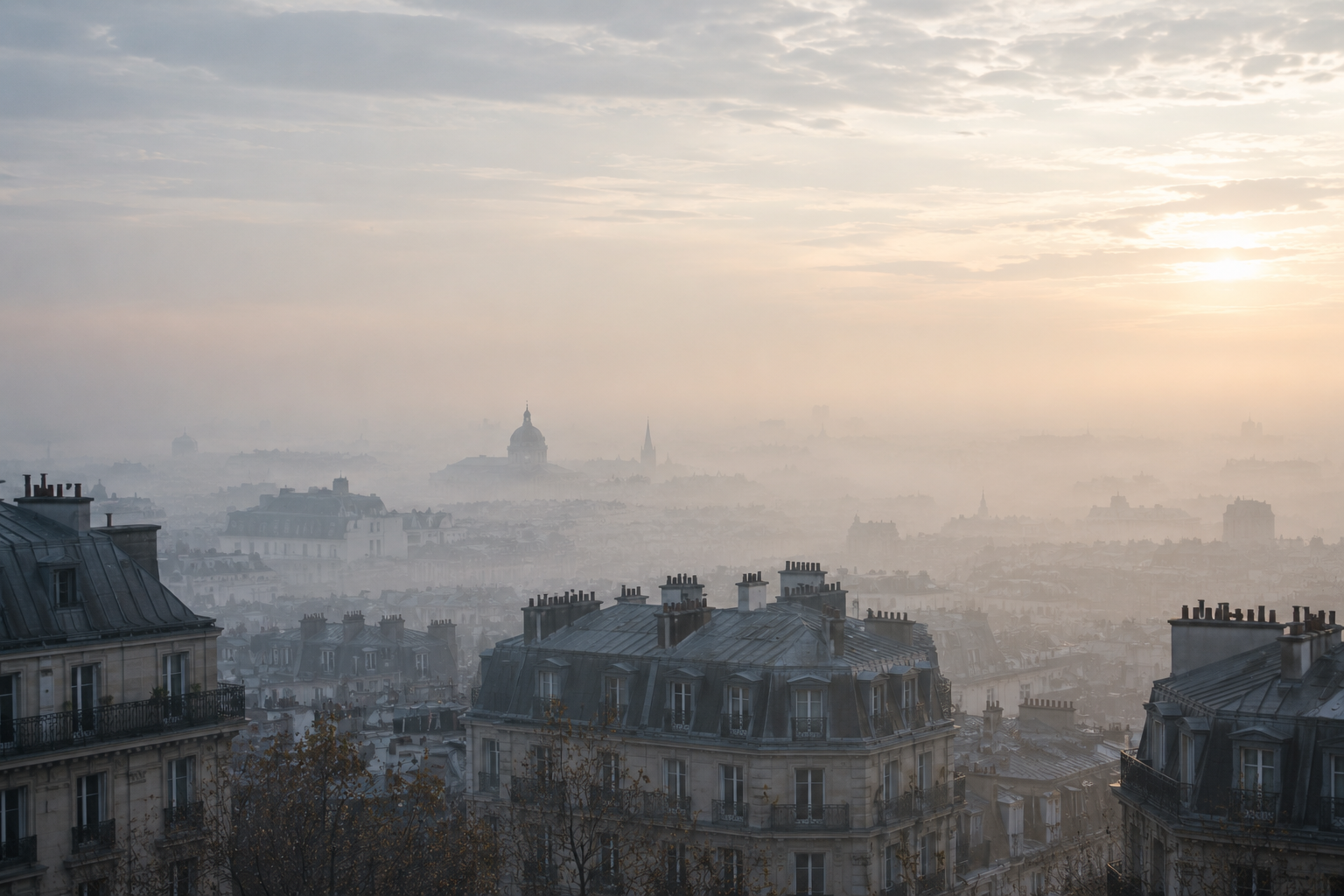
Sometimes clarity is not seeing everything. It is simply seeing enough to take the next step.
It has been one of those days.
The kind of day where disruption, unclear communication, unexpected obstacles, and frustration seem to arrive all at once. We have all experienced it. What begins as a simple challenge can quickly grow into something larger as our thoughts search for answers, explanations, and reasons why things have not unfolded as we intended.
When this happens, clarity can feel distant.
Many people respond by stopping altogether. They abandon the task, distract themselves with something else, or retreat into overthinking. Over time, these responses can become patterns. The challenge is not the difficult day itself, but what happens when our thoughts begin to overtake us. Left unchecked, those thoughts can cloud our judgement and gradually lead us into isolation.
Yet clarity rarely arrives through force. More often, it begins when we become still.
When we put aside the noise, step away from constant interruption, and allow ourselves a moment to simply sit with our thoughts, something interesting happens. We begin to observe rather than react. We start to recognise the patterns that have been quietly influencing our behaviour.
We can only identify our patterns through stillness.
It is in those moments of quiet reflection that we begin to understand how our thoughts shape our actions and how our actions shape our outcomes. The real work is not avoiding discomfort but learning how to respond to it differently.
This is one of the reasons I believe writing and journalling can be so powerful. They create space for recognition. And recognition is often the first step towards change.
The ability to recognise what is happening within us allows us to create our own clarity and move forward with greater intention.
But what does clarity actually mean?
Many people believe clarity arrives as certainty. A complete picture. A perfect understanding of what comes next.
Yet life rarely works that way.
When I think about clarity, I think about looking across a city through the morning mist. The buildings are there. The streets are there. The destination exists. You simply cannot see every detail yet.
The absence of complete visibility does not mean you are lost.
It simply means that not everything has revealed itself.
Perhaps clarity is not about seeing everything.
Perhaps clarity is about seeing enough.
Enough to take the next step.
Enough to make a decision.
Enough to move forward.
The interesting thing is that we often wait for certainty when certainty was never required. We tell ourselves that once everything becomes visible, then we will act. Yet most meaningful movement in life happens long before the whole picture is clear.
The fog may still be present.
The cloud may not have completely lifted.
But you can see enough to begin.
This is something I have observed repeatedly in conversations with others. Often, what people are searching for is not an answer but the space to hear themselves think. As thoughts are expressed and explored, what once felt tangled begins to untangle. A path begins to emerge.
Clarity is often formed through expression.
Not because somebody gives us the answer, but because we finally hear our own.
I was reminded of this during a conversation with a surfer.
I asked how they knew where to go when moving through the waves.
Their answer was simple.
"You fix your eyes on where you want to go. Then your head follows. Your body follows. And before long, you're moving in that direction."
That image has stayed with me.
In many ways, clarity works the same way.
Once we can see where we want to go, even faintly, our actions begin to align with that direction. The noise quietens. The confusion loses its grip. Movement becomes possible again.
This does not mean fear disappears.
Fear has its place.
The cloud has its place.
Periods of uncertainty, frustration, and doubt often contain lessons that cannot be learned any other way. Artists, writers, and creators have long drawn insight from these spaces. The challenge is not that the cloud exists. The challenge is knowing how long to remain within it.
There is a difference between learning from uncertainty and living there permanently.
The most powerful shifts often occur when we recognise that fear and clarity are not opposites. One invites us inward. The other invites us forward.
The key is balance.
Clarity is not found in acceleration.
It is found in calmness.
It is found in groundedness.
It is found in creating enough space to hear ourselves think.
Sometimes that space is found in nature. Sometimes it is found through journaling, meditation, walking, or simply completing everyday tasks without constant stimulation. The practice itself matters less than the willingness to become present.
When we do, clarity begins to emerge naturally.
And perhaps that is the real lesson.
Clarity is not something we chase.
It is something we allow.
The cloud eventually passes.
The noise eventually settles.
The path gradually reveals itself.
Not all at once.
Just enough.
Just enough for the next step.
So when clarity becomes clouded, perhaps the question is not whether you can see the entire journey.
Perhaps the question is simply this:
Can you see enough to begin?